










































Bay Laurel – Care, Location, Growth & common questions
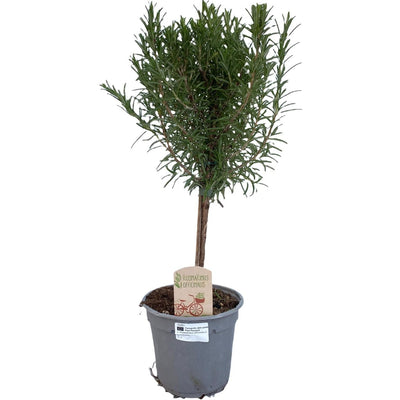
It is the symbol of victory and wisdom and an indispensable companion in gourmet cuisine: the Bay Laurel (botanically Laurus nobilis). Whether as an elegant standard tree, a compact shrub, or a decorative container plant on the patio, the bay tree captivates with its timeless, deep-green foliage and wonderfully savory scent. In this guide, you will learn how to successfully care for your bay laurel.
Origin & Characteristics
Laurus nobilis is native to the entire Mediterranean region, where it shapes the landscape. As an evergreen shrub or tree, the Bay Laurel (Laurus nobilis) is particularly long-lived. Its leaves contain essential oils that give it its characteristic aroma. Important: Only Laurus nobilis is the true culinary bay laurel—do not confuse it with the poisonous cherry laurel!
Appearance & Growth
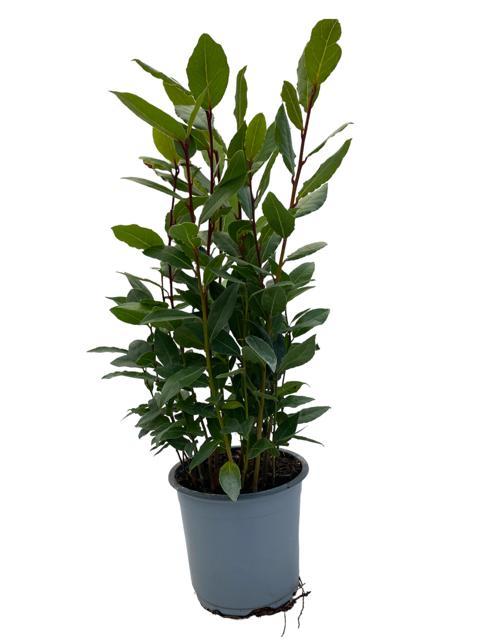
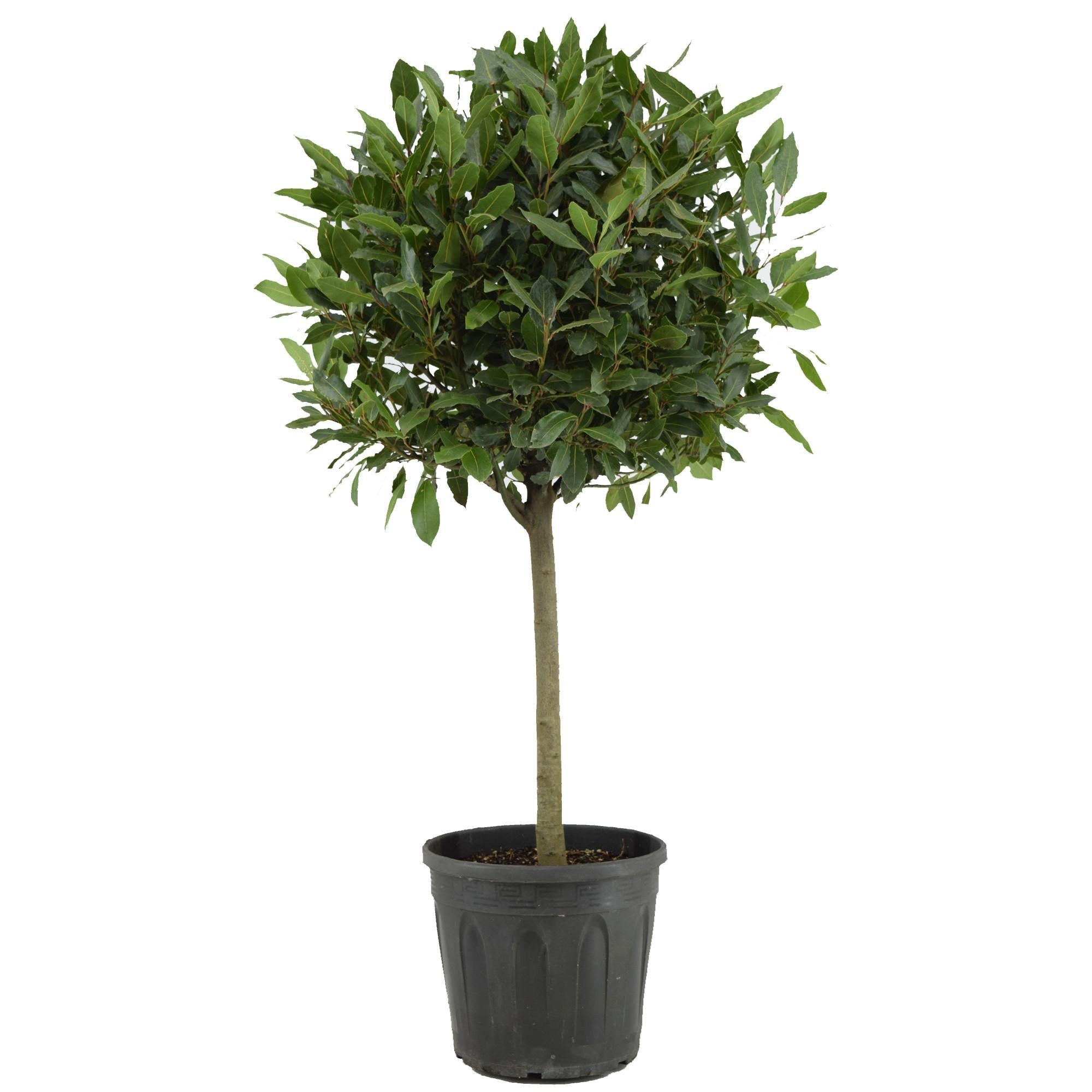
The plant produces leathery, lanceolate leaves with slightly wavy edges. With a delivery size ranging from 35 cm up to an impressive 130 cm, the Bay Laurel is available for every space requirement. It is very tolerant of pruning and can be beautifully shaped (e.g., into a sphere or pyramid). Bay laurel grows at a moderate pace and gains significant character over the years.
The ideal Bay Laurel location
Where does Laurus nobilis feel most at home?
To properly care for your Bay Laurel, you should consider its preference for light and air.
- Light: Full sun to partial shade. It develops the most intense aroma in the sun.
- Temperature: Warm outdoors in summer. In winter, it prefers a cool, bright location (approx. 0–10 °C).
- Protection: A spot against a sheltered house wall is ideal to cushion extreme weather influences.
Care & Watering: Caring for Bay Laurel
Watering needs and fertilization
Caring for your Bay Laurel requires a gentle touch. The plant does not like waterlogging, but it must not dry out completely either. Water your Laurus nobilis thoroughly as soon as the top layer of soil is dry. In winter, watering should be significantly reduced, but the root ball should never dry out entirely.
Typical problems & solutions
Why does the bay laurel get yellow or brown leaves?
Yellow leaves can indicate a nutrient deficiency or waterlogging. Bay laurel needs regular container plant fertilizer from March to August. Brown leaves are often caused by winter frost desiccation or sunburn if the plant is moved into the blazing sun too abruptly in the spring. Also, check your bay tree for scale insects while in its winter quarters.
🍃 Kitchen tip: The leaves can be harvested all year round. Dried, the aroma is even more intense than when fresh. Use the leaves while cooking in sauces and stews!
Prevention & long-term health
Use high-quality, structurally stable container plant substrate. An annual shaping prune in spring or late summer keeps the plant compact. To strengthen the leaf surface and support maintenance during pest pressure, natural plant vitalizing agents can be used.
FAQ about Bay Laurel
Is the Bay Laurel winter-hardy?
Laurus nobilis can tolerate light frosts down to approx. -5 °C to -8 °C for short periods. In mild regions, it can stay outside with winter protection; in the rest of Germany, a frost-free hibernation is safer.
How do I recognize the difference from cherry laurel?
The true bay laurel has matte, aromatically scented leaves and is edible. Cherry laurel (Prunus laurocerasus) usually has glossier leaves, does not smell savory, and is highly poisonous.
When should I repot the bay tree?
Young plants should be repotted every 2 years. For older specimens, it is sufficient when the pot is completely rooted (approx. every 4–5 years).
Take action now:
The Bay Laurel is the perfect choice for anyone wanting to combine Mediterranean elegance with practical utility. With its robust nature and versatile use, it will quickly become the indispensable star on your patio or in your conservatory. Give your bay laurel plenty of light and balanced watering, and it will accompany you for decades.
Bring the spice of the south home! Order your healthy Bay Laurel (Laurus nobilis) from us now and enrich your plant collection with this timeless classic!