


























Olive Tree (Olea europaea) – Care, Location, Growth & Frequently Asked Questions
It is the symbol of peace and constancy: the olive tree (botanical name Olea europaea). With its silvery shimmering leaves and characteristic growth, it brings the incomparable feeling of the south directly to your garden or patio. In this guide, you will learn what really matters when it comes to caring for your olive tree, ensuring your specimen flourishes beautifully for many years to come.
Origin & Characteristics
Olea europaea is native to the entire Mediterranean region and is one of humanity's oldest cultivated plants. An olive tree (Olea europaea) is extremely long-lived and surprisingly robust against heat and drought. In its home environment, it braves barren soil and intense sunlight, making it an ideal plant for sun-drenched spots.
Appearance & Growth
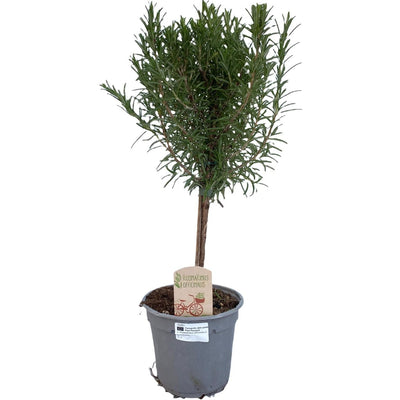
Characteristic of the olive tree are the narrow, leathery leaves with their silvery undersides. With a delivery size of 60–90 cm, this olive tree is often grown as an attractive standard. Olive trees grow rather slowly, but gain immense aesthetic value as they age, thanks to their gnarled bark structure.
The Ideal Location for Your Olive Tree
Where does Olea europaea recharge most?
Light is the most important factor for the vitality of your tree. A dark location will inevitably lead to leaf loss.
- Light: Full sun. A spot on the south side of the terrace or balcony is perfect.
- Temperature: In summer, it loves the heat. In winter, it prefers a cool, very bright space.
- Air: Olive trees appreciate good air circulation but should be protected from icy easterly winds.
Care & Watering: Caring for Your Olive Tree
Watering correctly without waterlogging
Although Olea europaea tolerates drought well, it needs regular watering when in a pot. Water thoroughly as soon as the top half of the soil in the pot has dried out. Be very careful to ensure that excess water can drain away. Waterlogging will permanently damage the sensitive roots.
Typical Problems & Solutions
Why is my olive tree losing leaves?
Leaf loss is usually a sign of insufficient light (especially in winter) or an imbalance in watering (too wet or completely dried out). Yellow leaves can indicate a nutrient deficiency. Also, check your olive tree for pests such as scale insects, which often appear in cool winter quarters. To support plant health, you can use natural products for care support.
✂️ Care tip: Regular pruning in the spring promotes dense growth. Trim long shoots to keep the crown compact – the olive is very tolerant of pruning!
Prevention & Long-term Care
Use high-quality, mineral substrate with good drainage. From March to August, the olive appreciates a special container plant fertilizer every two weeks. To strengthen leaf structure and prevent pest pressure, natural, biological plant strengtheners can be used.
FAQ about the Olive Tree
Is the olive tree hardy?
Conditionally. Older trees planted outdoors can tolerate up to -10 °C for short periods. In a pot, however, the root ball is vulnerable, which is why frost-free overwintering at approx. 5–10 °C in a very bright location is safest.
When will my olive tree bear fruit?
Olive trees only bloom after a few years on two-year-old wood. For fruit production in a container, a cool (but frost-free) winter location to provide a cold stimulus, as well as plenty of summer sun, is crucial.
How often do I need to repot the olive tree?
Young trees should be moved to a slightly larger container every 2 years. For older specimens, it is often sufficient to refresh the substrate every 4–5 years.
Take Action Now:
An olive tree is an investment for life. With its undemanding nature and timeless beauty, it will become the centerpiece of your outdoor space. Give it a sunny spot and ensure balanced watering – your olive tree will reward you with Mediterranean splendor.
Bring that holiday feeling home! Order your healthy olive tree (Olea europaea) from us now and enjoy the magic of the Mediterranean!