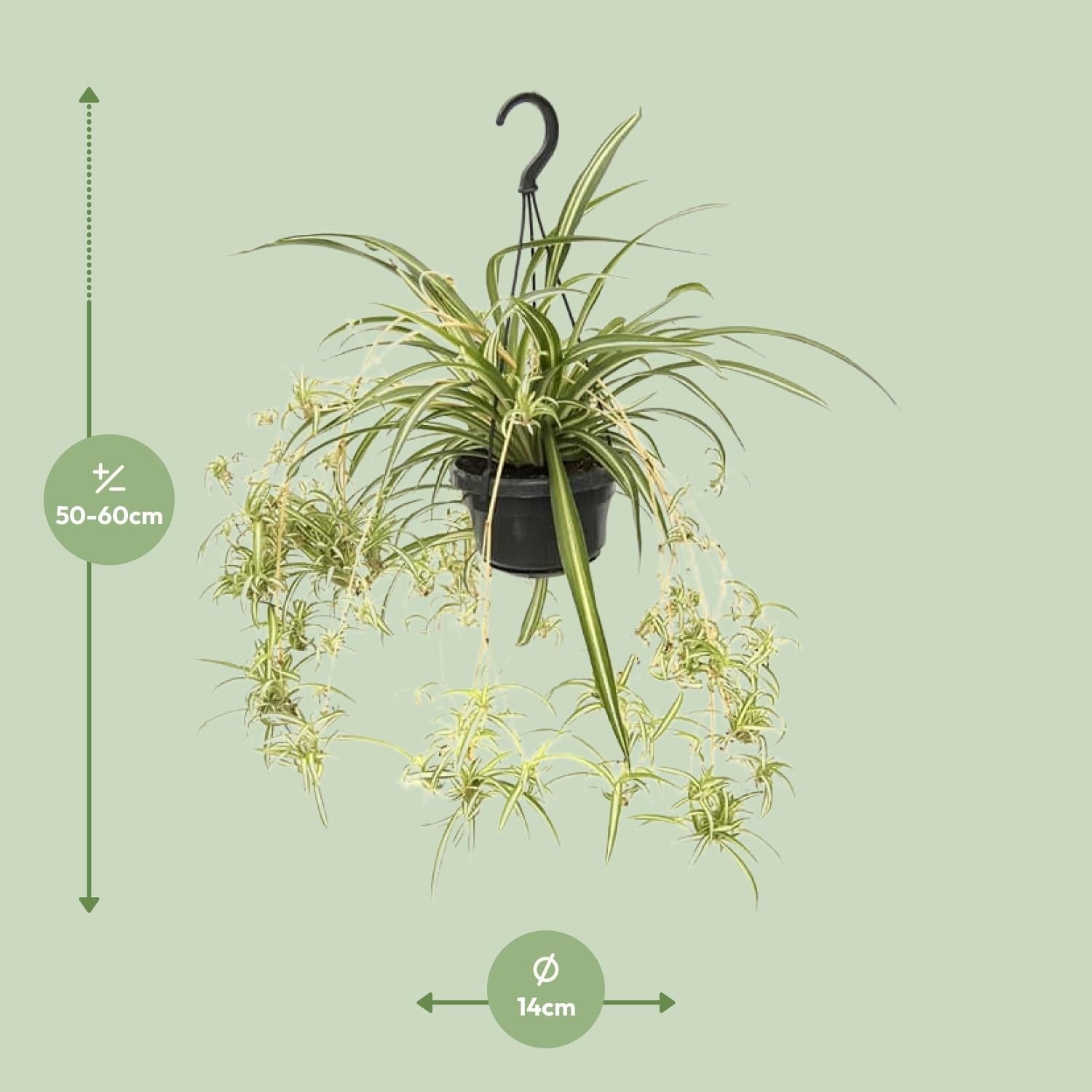




























The spider plant is an absolute classic in our homes, and for good reason. It is considered one of the most adaptable houseplants ever. With its elegant, arching leaves, the Chlorophytum comosum ‘Variegatum’ is not only a visual asset but also a highly efficient natural air filter that traps pollutants like formaldehyde from the air.
Origin & Characteristics
The spider plant is native to the tropical and subtropical regions of Southern and West Africa. It belongs to the asparagus family and is characterized by its thick, fleshy storage roots. These allow the plant to survive longer dry spells without any problems, making the Variegatum spider plant the perfect choice for beginners or people with little time.
Appearance & Growth
The most distinctive feature of the ‘Variegatum’ variety is the leaf coloration: long, narrow leaves with a green edge and a bright white stripe down the center. The plant grows in a rosette pattern and usually reaches a height and width of 30 to 55 cm. Particularly attractive are the long runners, which produce small white flowers in summer followed by the characteristic young plants (pups).
The Ideal Location for a Spider Plant
Where is the Chlorophytum comosum most comfortable?
The spider plant is not very picky. A bright to partially shaded spot is ideal. While it can also tolerate shadier corners, the beautiful white coloration of the leaves often fades there. Direct, intense midday sun in midsummer should be avoided to prevent leaf burns. Room temperature is optimal all year round, although it can be slightly cooler in winter (not below 10 °C).
Caring for & Watering Your Spider Plant
When it comes to caring for a spider plant, regularity is more important than the amount. Thanks to its storage roots, it forgives you if you occasionally forget to water it. The soil should be allowed to dry out slightly on the surface between waterings. However, avoid constant waterlogging, as this can lead to root rot. Misting the leaves with low-lime water rewards the plant with lush shine and healthy tips.
Typical Problems & Solutions
Why does my spider plant have brown leaf tips?
Brown tips are often a sign of overly dry heating air or a completely dried-out root ball. Occasional misting helps here. If the leaves appear limp and pale, the plant is usually lacking light or nutrients.
Natural support for plant health
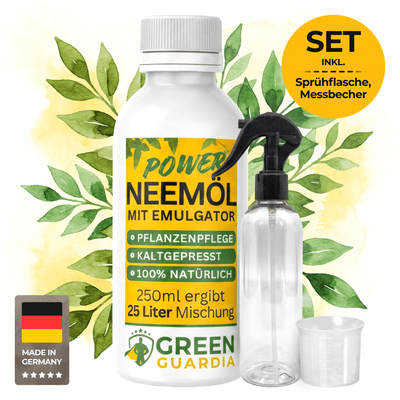
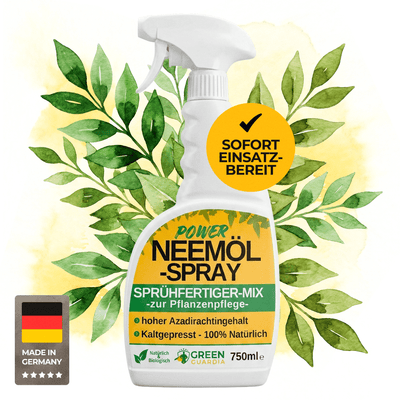
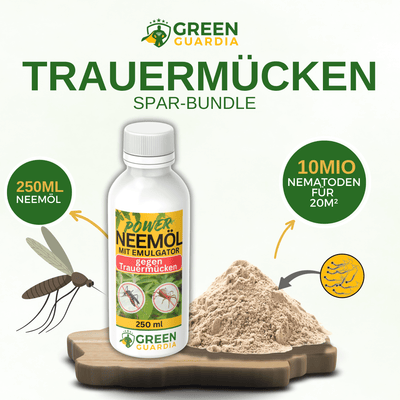
Although the plant is very robust, aphids can occasionally appear when the plant is stressed. Neem oil has proven effective for strengthening the leaf structure and as natural maintenance support. It gently conditions the surfaces of your spider plant and helps it maintain its natural vitality against external influences.
Propagation
Nothing is easier than propagating a spider plant! The plant forms ready-made little offsets on its long shoots. These pups can simply be detached and placed in a glass of water or directly into moist soil. Strong roots will form within a few days.
FAQ about the Spider Plant
Is the spider plant toxic to cats?
The spider plant is considered non-toxic, but is often used by cats for nibbling on, much like cat grass. Since the leaves filter pollutants from the air, these may be stored in the leaves. It is therefore advisable to hang the plant out of reach of cats.
How often should you repot a spider plant?
Since spider plants have very fast-growing storage roots, they should be repotted every one to two years, or at the latest when the roots push the soil upwards or threaten to burst the pot.
Can the spider plant also stand in the dark?
It will survive in darker locations, but it will hardly produce any offsets and will lose its vibrant variegation. A bright spot without direct sunlight ensures the most beautiful appearance.
Take action now: Your green air purifier is waiting
The spider plant is the perfect all-rounder: it is decorative, easy to care for, and actively improves your well-being with cleaner air. Whether in the office or the bedroom – it adapts to your life. Would you like to enrich your home with this classic? Discover our healthy Variegatum spider plant in the 30-55 cm format now and enjoy a healthy indoor climate!
🌱 Pro tip: If your spider plant isn't forming pups, it's usually due to a lack of light. Move it to a brighter spot for a few weeks to stimulate flowering and the production of offsets.