
































Controlling Woodlice: Effective, Eco-Friendly Strategies for Your Garden
Woodlice are actually beneficial organisms in the garden: they decompose dead plant material, thereby improving the soil. They only become a problem when a large population of common woodlice multiplies significantly and starts nibbling on young, tender plants, seedlings, or strawberries in contact with the ground. That is precisely when an eco-friendly plan is worthwhile: reducing causes, managing moisture effectively, and controlling them with lure traps if necessary.
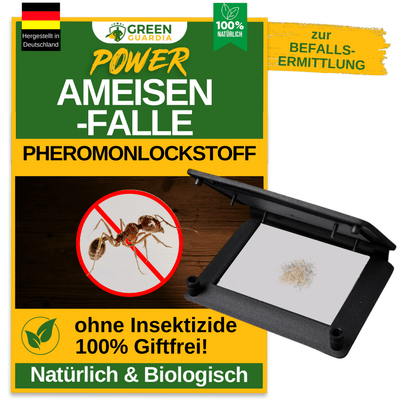
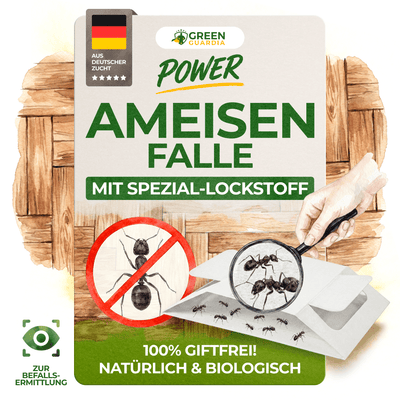
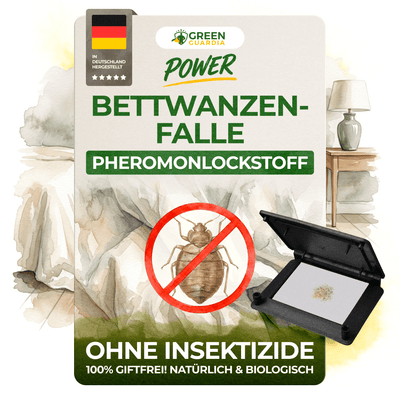
For targeted monitoring and reduction of the population, special traps are suitable depending on the situation: Woodlouse trap with special lure and Woodlouse trap with pheromone lure. It is best to use traps where woodlice actually travel: under pots, along bed edges, at damp wall bases, or near compost and leaf piles.
🌿 Tip: Woodlice are a moisture indicator. If many woodlice appear, the location is usually consistently very damp, or there are many organic "hiding places" (mulch, leaves, boards) directly next to sensitive plants.
Causes: Why do woodlice appear in large numbers?
Woodlice love moisture, shade, and organic material. In near-natural gardens, they are normal – however, in cases of overpopulation, there are almost always contributing conditions: lots of mulch directly against seedlings, constantly wet soil, dense ground cover, or consistently damp areas (e.g., under tubs, wood piles, kerbstones).
Typical Triggers in the Garden
- Permanently damp beds (waterlogging, heavy soils, shady locations)
- Mulch/leaf layers directly against young plants and seedlings
- Many hiding places such as boards, stones, pots, wood scraps by the bed
- Proximity to compost or a large amount of dead plant material
Identification: How do you spot a woodlouse infestation?
Woodlice are nocturnal and often hidden during the day. Therefore, it is not just the creatures themselves, but primarily the damage that is important. Typical signs are irregular feeding marks on very delicate plant parts – especially near the ground.
- Chewed seedlings or young shoots (especially after damp nights)
- Feeding on strawberries or low-lying fruits (in contact with the soil)
- Woodlice under pots, stones, wood, or mulch layers
- Many molted skins or visible creatures during an evening check
🔎 Tip: Check in the evening with a flashlight. If you want to quickly assess the activity, try placing a Woodlouse trap with special lure at a damp bed edge and check it after 24–48 hours.
Control: Eco-Friendly Measures That Really Help
A combined approach works best for woodlice: you reduce their living conditions (moisture/hiding places) and capture the animals selectively if needed. This keeps the garden system stable – without unnecessary chemicals.
1) Immediate Measures in the Bed
- Clear away mulch: create a 5–10 cm gap around young plants
- Adjust watering times: water in the morning instead of the evening so the surface dries out
- Avoid waterlogging: loosen the soil, improve drainage, empty pot saucers
- Remove hiding places: do not store boards/stones directly next to sensitive plants
2) Protection for Sensitive Plants
- Protect seedlings (e.g., with small plant collars/covers)
- Lift fruit off the ground (straw under strawberries, small pads)
- Elevate potted plants (feet/spacers so it stays drier underneath)
3) Use Traps Selectively (Gentle Product Sourcing)
If you want to measurably reduce the population, traps are a clean, controlled solution. The key is placement: not "just anywhere", but where woodlice travel and hide. Suitable options include, for example, a Woodlouse trap with special lure or – depending on the infestation situation – a Woodlouse trap with pheromone lure. Check the traps regularly and use them in damp zones, along bed edges, under tubs, or at wall bases.
Prevention: Keeping the Garden in Balance Long-Term
"Exterminating" woodlice completely is neither necessary nor sensible. The goal is a healthy balance where woodlice continue to act as decomposers but do not cause damage to sensitive crops.
- Control moisture: airy soil, appropriate watering routine, good drainage
- Use mulch consciously: not directly against seedlings, preferably between rows
- Order in sensitive areas: fewer hiding places near young plants & strawberries
- Regular checks: especially in spring and after rainy periods
- Targeted monitoring with special lure traps or pheromone lure traps in problem areas
Source note: You can find general recommendations on garden hygiene, moisture management, and natural pest prevention from recognized horticultural advisory centers, state agencies, as well as information services from the BMEL and horticultural associations.
FAQ on Woodlice in the Garden
Are woodlice harmful or beneficial?
Woodlice are predominantly beneficial because they decompose dead material. Damage usually occurs only when there is a very high population and when seedlings or very tender plant parts are available – especially in damp areas.
Why do I suddenly have so many woodlice?
Often, persistent moisture is the cause (waterlogging, dense mulch, shady location) combined with many hiding places. If you reduce moisture and hiding places, activity usually decreases significantly.
Which measures help the fastest?
Remove hiding places, pull mulch away from young plants, water in the morning, and improve drainage. For targeted monitoring, you can place a Woodlouse trap with special lure in the problem area and assess the infestation within a few days.
What is the difference between special lure and pheromone lure?
A special lure targets an attractive bait effect in the immediate environment, while pheromone lure can work via species-specific scent signals. The key is in practice: test what works better for your location in the problem area – e.g., with the Woodlouse trap with pheromone lure.
Take Action Now:
Start today with an evening check and reduce woodlouse hotspots: fewer hiding places, less persistent moisture, and do not place mulch directly against young plants. If you want to reduce the infestation selectively, place a Woodlouse trap with special lure or alternatively a Woodlouse trap with pheromone lure directly in the problem area. This is how you keep the population under control – in an eco-friendly way without unnecessary chemicals.