



























































Identifying and controlling flour moths
Flour moths are among the most common pantry moths in homes and storage rooms – and that is exactly what makes them so annoying: You often only notice the infestation once several packages are already affected. The good news: With a clear approach, you can reliably get a handle on flour moths – without chaos, without guesswork.
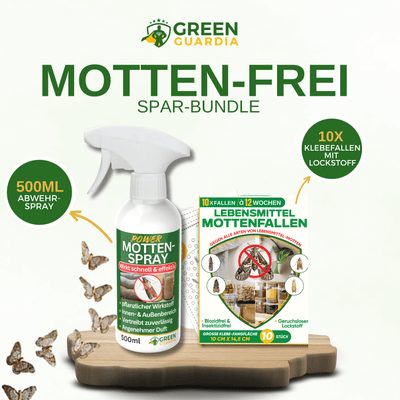
A proven system consists of three steps: Identification (monitoring), removing the source (checking & cleaning your supplies), and targeting the brood (beneficial insects). For quick monitoring, our pantry moth traps (10-pack value pack) are perfect – they let you see immediately if and where moths are active. If you also want to take targeted action against the moth brood, trichogramma wasps against pantry moths are a gentle, practical addition.
Causes: Where do flour moths come from?
Flour moths usually don't enter your kitchen "from the outside" but are often brought in unnoticed – for example, via already infested packaging. The eggs are tiny and go unnoticed when shopping.
- Introduction via supplies: Flour, muesli, nuts, almonds, dried fruit, baking ingredients, rice, pet food
- Open storage: Thin bags, cardboard boxes, or poorly sealing containers offer no protection
- Hidden breeding grounds: Cracks, drill holes, cupboard joints, back panels, and shelf supports
- Warm conditions: Kitchens, pantries, and storage cupboards offer ideal temperatures
🐞 Tip: If you cannot find the source immediately, start by monitoring: pantry moth traps will show you if there is current activity in your storage area – and in which area you should look more closely.
Recognition: How to notice a flour moth infestation
You rarely recognize flour moths (pantry moths) by a single sign alone. It is usually a combination of flying moths, webbing, and "mysterious" residues in your supplies. The earlier you take the signs seriously, the faster you will get the problem under control.
- Flying moths in the kitchen, pantry, or near the storage cupboard (often in the evening)
- Fine webbing in flour packages, in corners of boxes, or on lids
- Larvae (light-colored, small caterpillars) in or on packaging, sometimes on cabinet edges
- Crumbly clumps or "threads" in food (a sign of infestation/contamination)
For quick, clear confirmation, pantry moth traps (10-pack value pack) are particularly helpful: You can monitor several locations in parallel (storage cupboard, pantry, pet food corner) and see based on the catches whether the moths are still active.
Control: Which measures really help against flour moths?
Once flour moths are present, "just cleaning a bit" usually doesn't help. It is crucial that you simultaneously remove the source, eliminate breeding grounds, and monitor activity. This is how you break the life cycle – and that is exactly what makes the difference.
1) Find infested supplies and dispose of them consistently
- Take all dry supplies out of the cupboard and check every single package (even unopened ones!)
- Immediately seal and dispose of infested items (it is best to take them outside directly)
- It is better to replace suspicious products than to try to "save" them – this saves time in the end
2) Clean the cupboard thoroughly – including cracks & drill holes
- Wipe down shelves, corners, and edges with a damp cloth
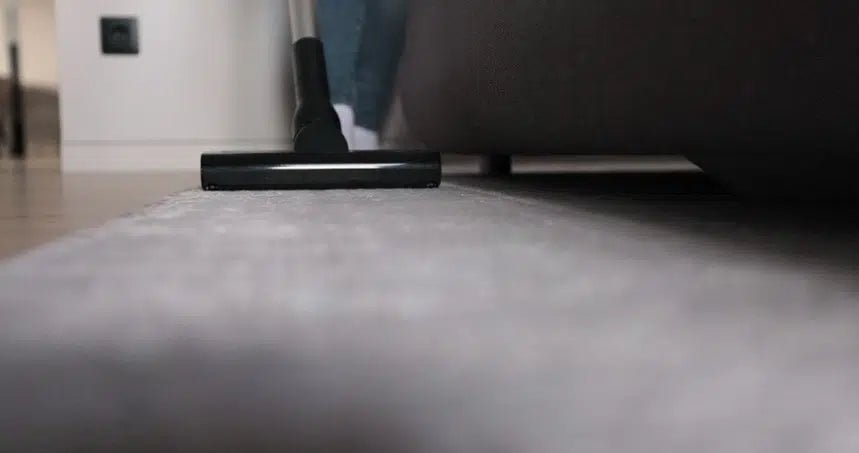
- Thoroughly vacuum cracks/drill holes (a brush attachment helps)
- Dispose of the vacuum cleaner bag directly or wash out the container
3) Monitoring + targeted supplement: Moth traps & trichogramma wasps
After cleaning, you need two things: a way to check if moths are still flying, and a measure that reduces the moth brood. This is exactly where the combination makes sense:
- Moth traps for monitoring: With pantry moth traps (10-pack value pack) you can detect whether there is still activity and whether the infestation is settling down.
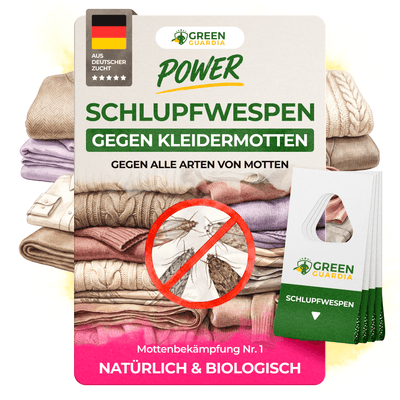
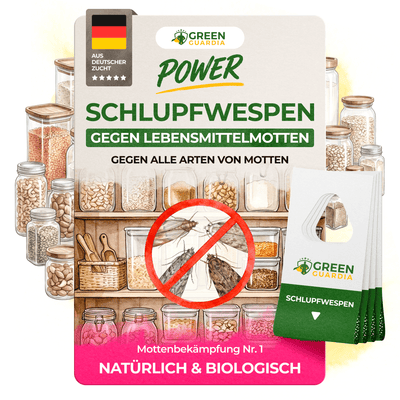
- Trichogramma wasps as a supplement against the brood: Trichogramma wasps against pantry moths can help to break the cycle – especially if you suspect hidden breeding grounds.
🐞 Tip: Place one trap in the storage cupboard and one in the pantry. With the value pack you can monitor several areas in parallel – and quickly see if your measures are working.
Prevention: How to keep flour moths from coming back
The best prevention is a storage system that gives moths as few chances as possible. You don't have to live a sterile life for this – but a few habits make a huge difference.
- Transfer supplies: Glass or metal containers instead of cardboard/bags
- Check newly purchased goods: Especially flour, muesli, nuts, dried fruit, pet food
- Clean cupboards regularly: Including edges, corners, and drill holes
- Use monitoring: If problems recur, use moth traps as an early warning system
As a practical early warning system, pantry moth traps are particularly well-suited. And if you want to be on the safe side in sensitive areas (e.g., the pantry), the additional use of trichogramma wasps against pantry moths can help break the moth cycle in the long term.
FAQ about flour moths
How can I reliably identify flour moths?
Typical signs are fine webbing in flour or muesli packages, small larvae on packaging, and flying moths in the kitchen. Monitoring with pantry moth traps is particularly reliable, because you make the activity visible.
Is cleaning enough to get rid of flour moths?
Cleaning is important – but often not enough if eggs/larvae are in cracks or infested goods are still in the cupboard. The best approach is a combination of removing the source, thorough cleaning, and control via moth traps.
How long does it take to fully get a handle on flour moths?
That depends on the severity of the infestation. If you consistently check all supplies, clean thoroughly, and monitor activity via traps, significant improvements are often visible within a few weeks. It is important that you do not stop the measures too early, if a few moths still appear.
How do I use trichogramma wasps against pantry moths effectively?
If you suspect there are still hidden breeding grounds, trichogramma wasps against pantry moths can be a supplemental measure. In combination with monitoring via moth traps you can also see whether the activity is decreasing.
How can I prevent flour moths in the future?
Transfer supplies to tightly sealing containers (glass/metal), check new goods briefly when putting them away, and keep cabinet joints clean. If you want an early warning system, use pantry moth traps occasionally in your pantry or storage cupboard.
Take action now:
If you don't just want to "quiet things down" but really get rid of flour moths, start with clear monitoring via pantry moth traps (10-pack value pack) . Additionally – especially in cases of recurring problems or hard-to-find breeding grounds – you can use trichogramma wasps against pantry moths to specifically break the moth cycle.