











































Number of cards


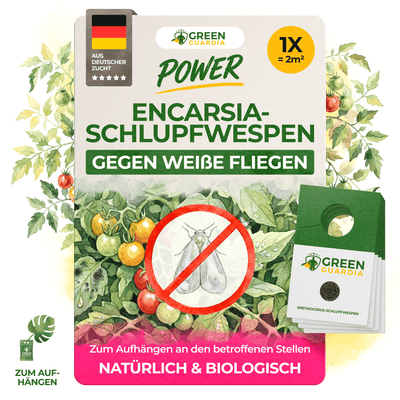
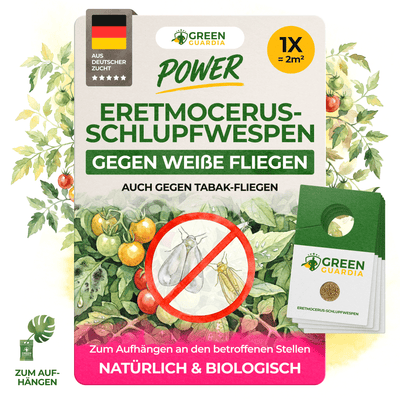
Eretmocerus parasitic wasps against whiteflies & tobacco whiteflies
-
100% natural help against whiteflies
-
From German breeding – fast delivery
-
Completely without chemicals – no residue
-
Discreet, effective & biologically sustainable
-
Safe for children & pets
Number of cards
In Stock - delivered to you in 2-4 business days


What our customers say
-
Efficacy
not effective highly effective -
Application
complicated child's play -
Tolerability
concerning very safe
Choose delivery option & save cleverly:


Choose options
-
100% natural help against whiteflies
-
From German breeding – fast delivery
-
Completely without chemicals – no residue
-
Discreet, effective & biologically sustainable
-
Safe for children & pets
Number of cards
In Stock - delivered to you in 2-4 business days
Choose delivery option & save cleverly:
-
100% natural help against whiteflies
-
From German breeding – fast delivery
-
Completely without chemicals – no residue
-
Discreet, effective & biologically sustainable
-
Safe for children & pets
Number of cards
In Stock - delivered to you in 2-4 business days
Choose delivery option & save cleverly:
Eretmocerus parasitic wasps against whitefly & tobacco whitefly – natural and effective
Eretmocerus eremicus are beneficial insects only about 0.8 mm in size, specifically used for the control of whiteflies. They are particularly effective against greenhouse whitefly and tobacco whitefly – completely without the need for chemical agents.
After hatching, the parasitic wasps specifically seek out whitefly larvae and lay their eggs underneath them. The resulting larvae develop there, preventing the pests from maturing. This natural cycle ensures a continuous reduction of the infestation. Once no more whiteflies are present, the beneficial insects disappear on their own.
Areas of application for Eretmocerus eremicus
- Houseplants and ornamental plants: Ideal for indoor spaces – natural and chemical-free pest control.
- Cannabis cultivation: Gentle control of whitefly without any residues.
- Greenhouse & garden: Particularly effective at warm temperatures against heavy infestations.
- Agriculture: Sustainable biological solution for vegetable, herb, and ornamental crops.
Application & tips
- Timing of application: As soon as the first whiteflies or their larvae are visible on the undersides of the leaves.
- Storage: Short-term storage (1–2 days) at 8–10 °C is possible – for best results, use as soon as possible.
- Temperature: Optimal between approx. 20–30 °C – especially suitable for warm greenhouse conditions.
- No chemicals: Do not use any insecticides for at least 6 weeks before and after application.
- Regular application: Several applications at intervals of a few weeks can significantly improve effectiveness.
🌿 Conclusion: Eretmocerus eremicus are an effective, natural solution for the biological control of whiteflies – especially under warm conditions in greenhouses or indoor cultivation.
So wendest du Eretmocerus-Schlupfwespen richtig an
Hänge die Trägerkarten mit Eretmocerus-Puppen direkt an die betroffenen Pflanzen. Öffne die Verpackung erst am Einsatzort, damit die Nützlinge gezielt dort schlüpfen können, wo sie benötigt werden.
Wichtig: Eretmocerus-Schlupfwespen bevorzugen wärmere Bedingungen. Besonders effektiv arbeiten sie bei Temperaturen ab etwa 20 °C und ausreichender Beleuchtung, weshalb sie sich hervorragend für Gewächshaus- und Indoor-Kulturen eignen.
🕒 Schlupfzeit: Innerhalb von 5–10 Tagen nach der Ausbringung schlüpfen die Eretmocerus-Schlupfwespen und beginnen mit der gezielten Suche nach Larven der Weißen Fliege.
Anwendungsintervalle
Je nach Stärke des Befalls empfehlen wir mehrere Anwendungen im Abstand von 1–2 Wochen. Ergänzend können Gelbtafeln zur Befallskontrolle eingesetzt werden. Eine frühe Ausbringung hilft, eine starke Vermehrung der Weißen Fliegen zu verhindern.
⚠️ Hinweis: Verwende mindestens 6 Wochen vor und nach der Anwendung keine chemischen Insektizide, da diese die Nützlinge schädigen und ihre Wirkung beeinträchtigen können.
Was sind Weiße Fliegen und Tabak-Weiße Fliegen?
Weiße Fliegen – auch Mottenschildläuse genannt – sind kleine, flugfähige Pflanzenschädlinge, die sich meist auf der Blattunterseite von Nutz- und Zierpflanzen ansiedeln. Besonders verbreitet sind die Gewächshaus-Weiße Fliege sowie die Tabak-Weiße Fliege. Betroffen sind häufig Tomaten, Gurken, Paprika, Zierpflanzen und viele Kräuter im Gewächshaus, Indoor-Anbau, Garten oder auf dem Balkon.
Die Insekten saugen Pflanzensaft aus den Blättern und scheiden dabei Honigtau aus – einen klebrigen Belag, der die Entwicklung von Rußtaupilzen fördert und die Pflanze schwächt. Häufig erkennt man einen Befall erst, wenn beim Berühren der Pflanzen eine kleine weiße Insektenwolke auffliegt.
Wie kann ich einem Befall mit Weißen Fliegen vorbeugen?
- Pflanzen regelmäßig kontrollieren: Vor allem die Blattunterseiten auf Eier, Larven und kleine weiße Insekten überprüfen.
- Für gute Luftzirkulation sorgen: Weiße Fliegen vermehren sich besonders schnell bei stehender Luft – regelmäßiges Lüften hilft.
- Pflanzen gesund halten: Kräftige Pflanzen sind weniger anfällig für Schädlingsbefall.
- Kulturhygiene beachten: Befallene Blätter entfernen, Pflanzreste beseitigen und Staunässe vermeiden.
- Nützlinge früh einsetzen: Schlupfwespen (Eretmocerus eremicus) helfen bereits bei ersten Anzeichen, die Population der Weißen Fliegen natürlich zu reduzieren.
🌿 Tipp: Auch wenn keine Weißen Fliegen mehr sichtbar sind, können Eier oder Larven auf den Blattunterseiten verbleiben. Eine wiederholte Ausbringung von Nützlingen hilft, einen erneuten Befall zu verhindern.

GREEN GUARDIA vs. Other Providers
What sets us apart from the others

|

|

Products for home, garden & pet-related areas |

Unclear product information |

Beneficial insects from German breeding |
Unclear origin information |

Developed for practical use |
Complicated selection |

Clear application instructions |
Few application instructions |

Freshly bottled or carefully packaged |
Longer storage or delivery times possible |

German breeding
Beneficial insects from controlled German breeding – quality you can rely on

Expert advice
Tips for application and support from our experts – targeted and effective.

Fast Help
Our beneficial insects are ready for immediate use and provide targeted help for acute infestations at home or in the garden.

Natural & safe
Safe for everyday use – completely risk-free for children, pets & plants.
We let our customers speak.

Natural Pest Control
At GREEN GUARDIA you will find the right natural solution for every pest problem – completely without chemicals.
Whether parasitic wasps against moths, predatory mites against spider mites, or nematodes against fungus gnats and slugs – our beneficial insects provide reliable help in the house, garden, or greenhouse.
As a specialist in biological pest control, we stand for quality, innovation, and sustainable effectiveness – in harmony with nature, humans, and animals.

Expert advice – Personal & Practical
Our expert advisors support you with targeted application tips and years of experience in natural pest control. Whether you have questions about application, combining different beneficial insects, or selecting the right product – we are here to help you quickly and competently.
FAQ Eretmocerus Ichneumon wasps
Do you have questions about our products, their application, or shipping? Here you will find the most important answers at a glance. If anything remains unclear, please feel free to contact us!
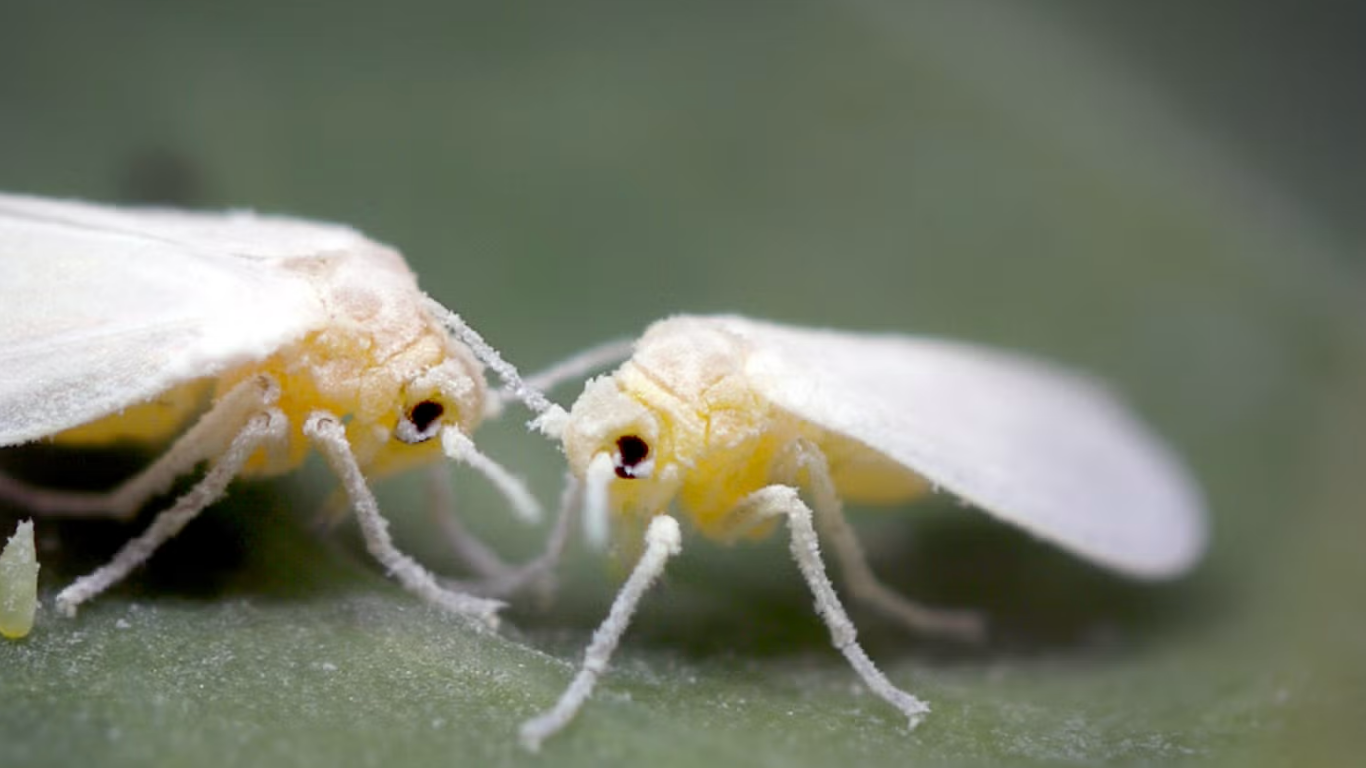
Eretmocerus formosus are tiny beneficial insects that specifically parasitize whitefly larvae. They lay their eggs inside the pests or feed on them. This biologically interrupts the infestation – completely without chemicals.
The parasitic wasp Eretmocerus eremicus is used for the biological control of various species of whiteflies. It is particularly effective against the greenhouse whitefly (Trialeurodes vaporariorum) as well as the tobacco whitefly (Bemisia tabaci).
The first beneficial insects hatch after 5–10 days and immediately begin control. A visible reduction in the infestation is usually noticeable after 2–3 weeks.
Yes, Eretmocerus can be easily combined with predatory mites or yellow sticky traps – depending on the type of pest and the environment.
No. The insects are tiny, do not sting, rarely fly actively, and disappear without a trace as soon as there are no more whiteflies.
Biological agents like Eretmocerus specifically target only the pest without harming plants, the environment, or beneficial insects – and leave no residue.
We usually ship live beneficial insects Monday through Thursday so that they arrive fresh and vital – delivery generally takes place within 1–3 business days.
Yes, the insects are in the pupal stage on carrier cards and will only hatch at your home – optimally protected and ready for use.
It is best to release them immediately upon receipt. At 6–10 °C they can be stored for 1–2 days – however, application should not be delayed.
Live beneficial insects are excluded from returns. However, we are happy to help you with any problems.
Carefully open the packaging immediately, take out the cards, and place them on the plants according to the instructions – do not expose to direct sunlight.
Shipping to pack stations is not possible as these are living organisms. International deliveries are available upon request.
Hang the carrier cards directly in the infested plants – ideally close to the undersides of the leaves where the whiteflies dwell.
As soon as you discover the first whiteflies or eggs/larvae – the earlier, the more effective the control.
We recommend 1 card per plant. For larger areas or greenhouses, one card should be placed every 1–2 m².
Depending on the severity of the infestation, 1–3 applications at intervals of 1–2 weeks are recommended.
The infestation decreases significantly, fewer adult whiteflies fly up, and the typical black spots (parasitized larvae) become visible.
Eretmocerus are particularly suited for greenhouses, indoors, and sheltered balconies. Outdoors, their use is usually too weather-dependent and less effective.
The beneficial insects find no more food, cannot develop further, and disappear without a trace – completely naturally.
In this case, we recommend another release or the supplementary use of other beneficial insects such as predatory mites or yellow sticky traps.
No. Chemical plant protection products should be avoided for at least 6 weeks before and after application, as they can harm the beneficial insects.
The parasitic wasps Eretmocerus eremicus develop particularly well in warm and bright conditions. Temperatures between 20 and 30 °C are optimal. Below about 15 °C, their activity slows down significantly.
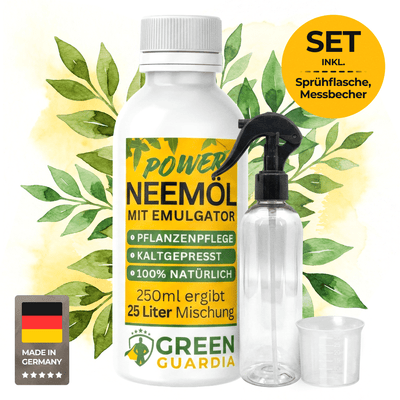
Yes, e.g., Encarsia parasitic wasps, yellow sticky traps for monitoring infestations, or neem oil – combining multiple measures is ideal.
The carrier cards can be disposed of in household waste. Please do not release live animals into the environment if they are no longer needed.


